Blog>Hotel Fundsachen in Germany: Lost Property Laws Hotels Need to Know
Hotel Fundsachen in Germany: Lost Property Laws Hotels Need to Know
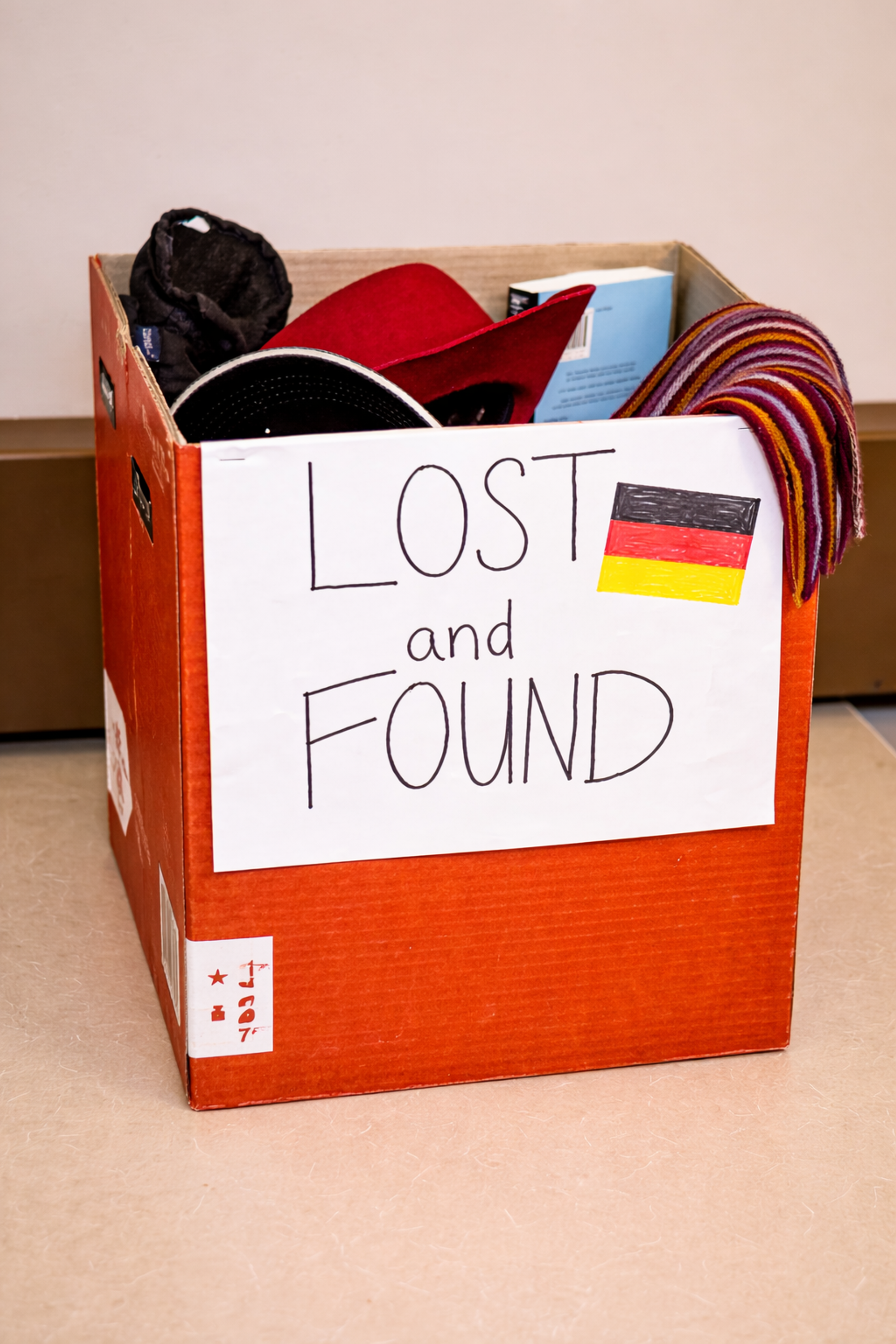
German lost-property law is manageable for hotels if the process is specific, documented, and consistent across shifts.
Legal basis hotels should know
For hotel operations, the core legal references are in the German Civil Code (BGB), especially section 965 (duty to report/hand over found property) and section 973 (ownership transfer timing after proper notice procedures).
A practical threshold used by German authorities is that items above EUR 10 should be reported to the competent lost-property authority. Hotels should treat this as a mandatory workflow trigger, not a judgment call at reception.
In plain terms: document early, notify correctly, store securely, and keep an audit trail that can be reviewed later.
What must happen first after an item is found?
- Register the item immediately: date, exact location, finder name/initials, and condition.
- Attach photo evidence before the item changes hands.
- Link the item to reservation data if possible, but only use guest data needed for contact/return workflow.
- Assign a single case owner per item to avoid shift confusion.
How long should hotels retain found property?
The commonly referenced timeline is six months after proper legal notification steps. Operationally, hotels should not rely on memory or ad hoc notes. Use policy-driven retention windows and a clear closure rule.
If local authority guidance and internal policy differ, legal counsel should define the final operating standard for your property group.
Edge cases hotels usually miss
High-value items: escalate immediately to duty manager and tighten chain-of-custody logging. Cash, jewelry, and electronics need stricter handling than a sweater or charger.
Identity-sensitive items (IDs, passports, payment instruments): do not route through normal housekeeping bins. Use restricted access storage and explicit handover logs.
Shipping: do not auto-ship. Confirm recipient identity, address, method, and cost responsibility first, then use tracked shipping.
Unclaimed low-value items: still document intake and disposition. Even low-value disputes can become reputational incidents.
Hotel scenario: what good looks like
Scenario: AirPods found after checkout in room 412. Within 15 minutes, staff creates a case, adds two photos, records serial-visible details, links the last reservation, and sends a guest contact message. The item is sealed and moved to restricted storage. All steps are timestamped in one record. This is the standard that prevents later disputes.
FAQ: Lost property laws in Germany for hotel teams
Use these as policy clarifiers for operations, front office, and housekeeping leads.
How Faundit helps hotels solve these legal dilemmas
German lost-property compliance is mostly an operations problem. The law sets duties, but hotels need execution discipline across shifts, teams, and properties.
Faundit is built to run this exact workflow end to end, so hotels can meet legal expectations while improving guest service speed and documentation quality.
- Centralised intake logging with timestamps and responsible staff attribution.
- Photo-backed case records that reduce disputes about item condition.
- Structured guest communication history in one case timeline.
- Policy-aligned retention and handover flow that is consistent across properties.
- Traceable return handling with fewer manual gaps between front desk and housekeeping.
In practice, this means Faundit helps hotels resolve precisely the legal and operational dilemmas this article describes, in a way teams can actually follow under real workload.
--
Sources used for legal orientation: BGB sections 965 and 973, municipal lost-property guidance, and German transport/public-service explanations. This article is informational and not legal advice; hotels should validate final policy with legal counsel.